-
 Our Story
 -
 1977
1977 -
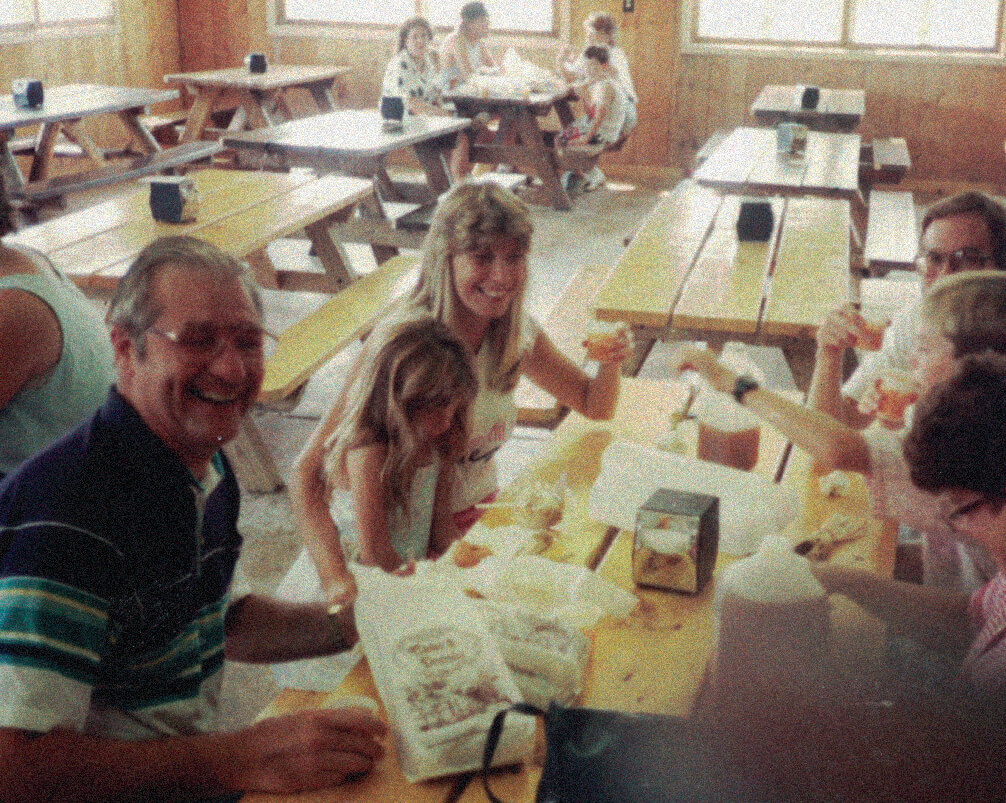 1982
1982 -
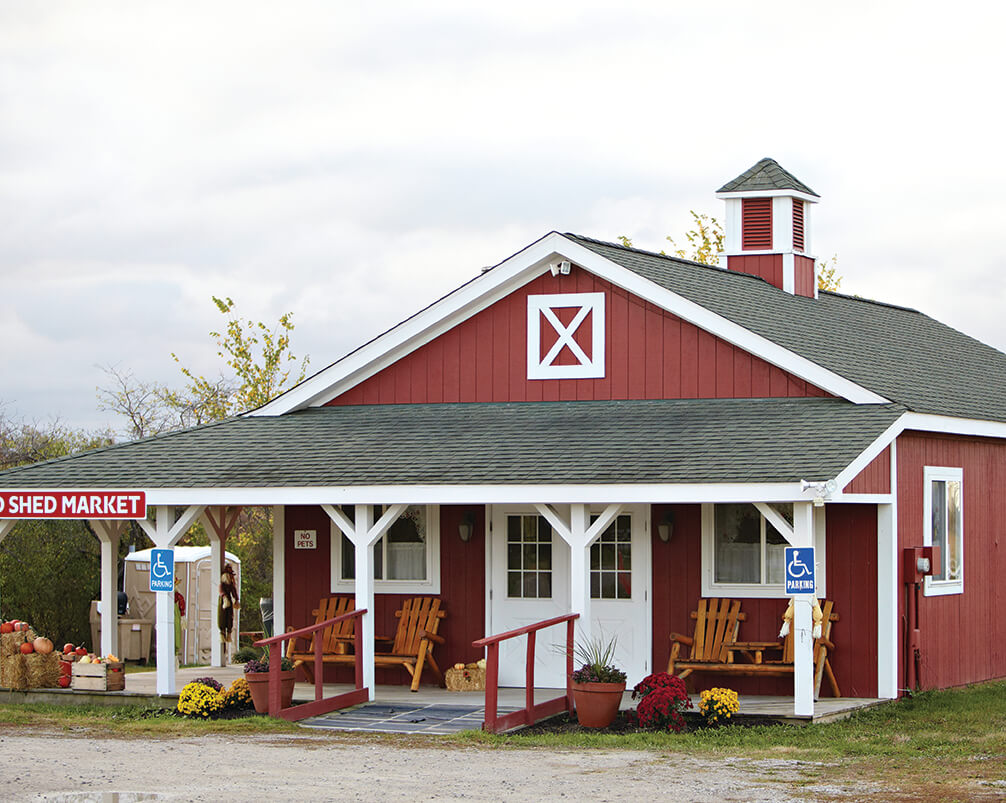 2004
2004 -
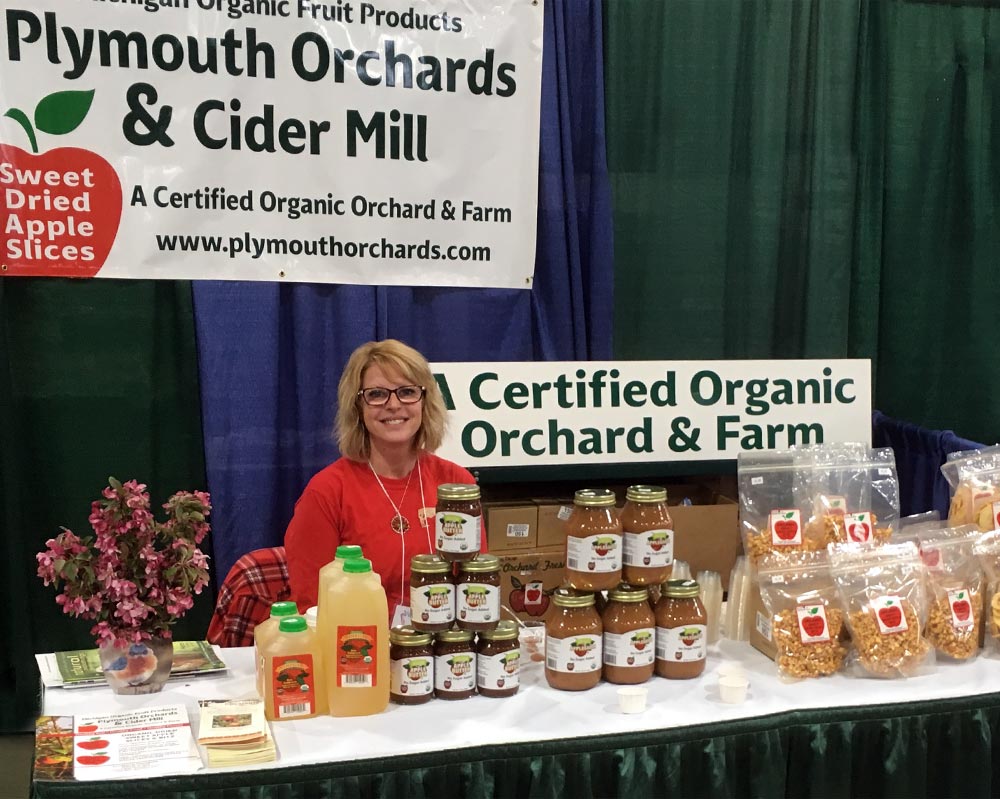 2013
2013 -
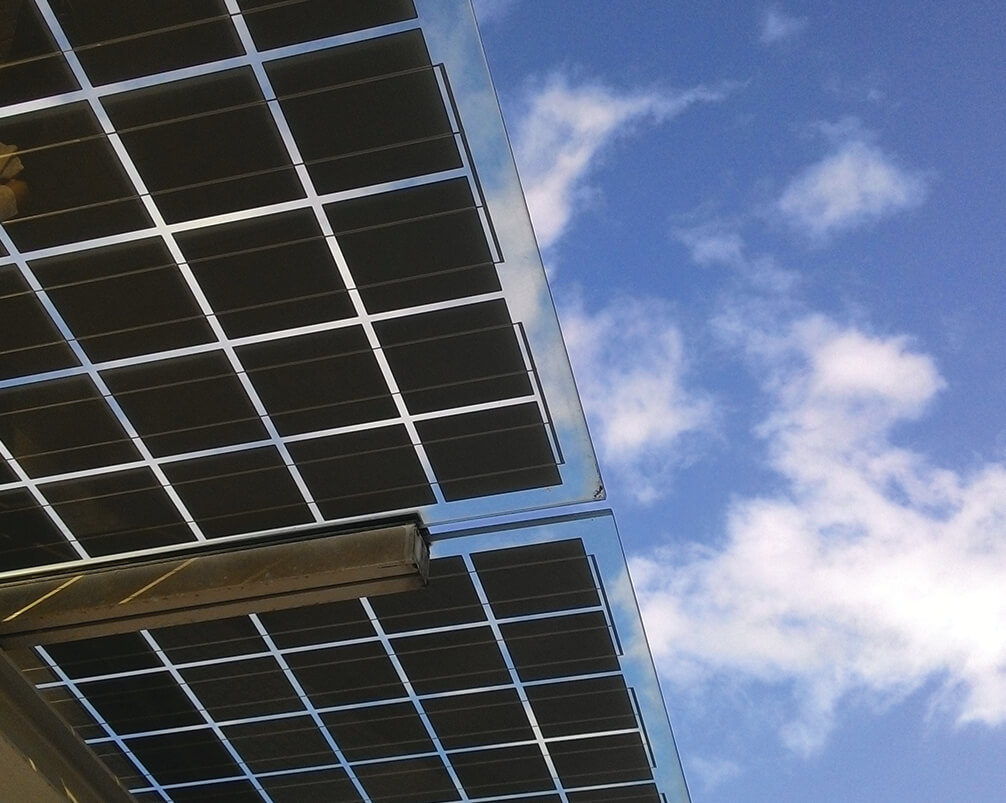 2018
2018
Meet the Team!
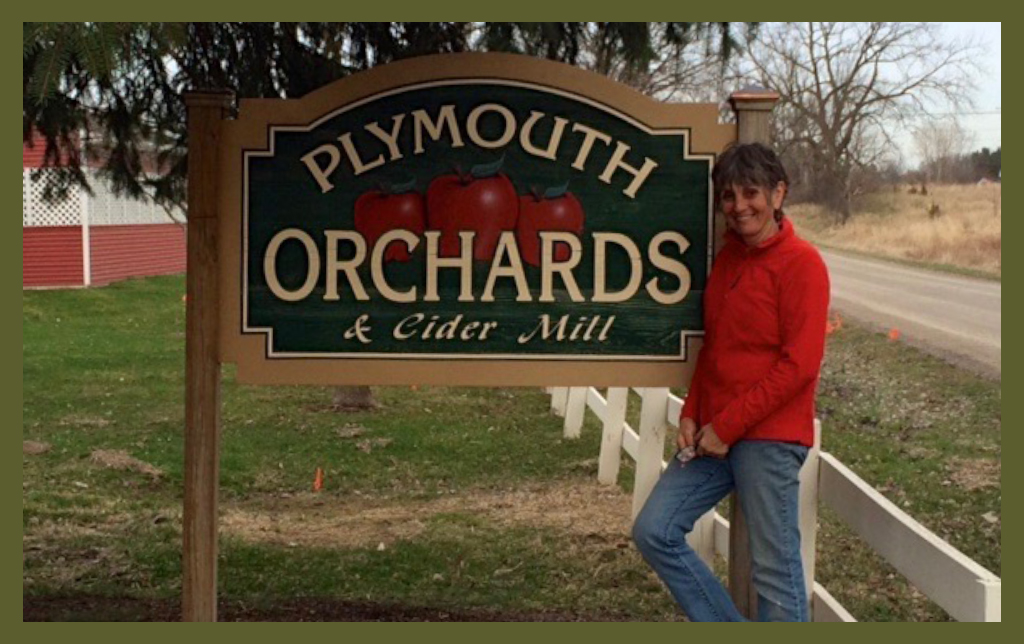
Our Team
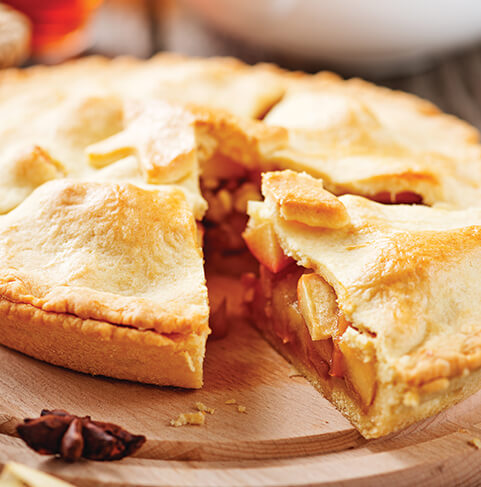
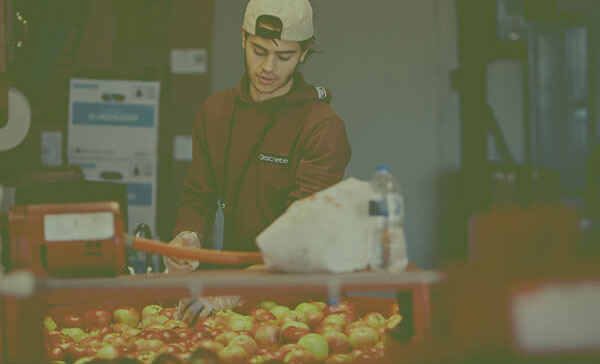
At Plymouth Orchards and Cider Mill we operate a year-round organic farm with a small crew. As orchard season arrives, our staff grows to accommodate the visitors who come to the mill. We are proud that so many of our employees return year after year to press cider, bake pies, make caramel apples and drive the tractor. Some of our long-term employees have been here over 25 years! We strive to offer a memorable experience to all who visit us!
Learn Why We Are No Longer Organically Certified...
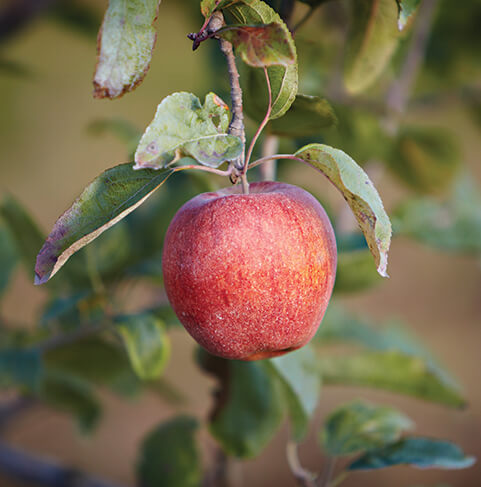
In 2013, Plymouth Orchards and Cider Mill began the three-year transition to becoming a certified organic working farm. We made that commitment because caring for our soil, plants, pollinators, and the environment has always been an important part of how we farm.
After years of farming organically, we have made the difficult decision to no longer maintain our organic certification. Increasing pest pressure in our area has made it increasingly challenging to grow healthy, high-quality crops using only the treatments and practices permitted under organic certification. At the same time, the cost and availability of organic crop treatments, along with the rising cost of certification, have made maintaining the certification increasingly difficult for our farm.
This change does not mean that our commitment to responsible and sustainable farming has changed. We will continue to carefully manage our orchards and crops, protect the health of our soil and plants, and make thoughtful decisions about the products and practices we use. We remain committed to protecting the environment and maintaining a healthy farm for future generations.
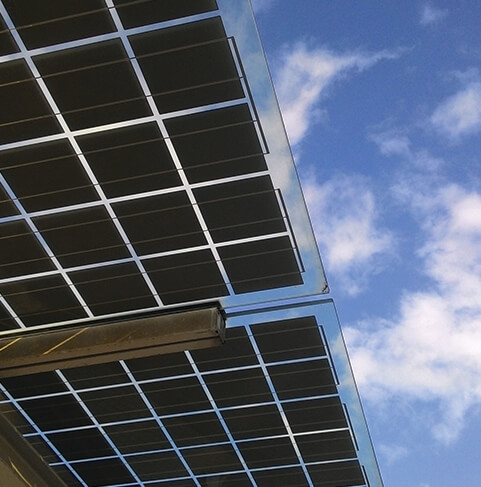
Our commitment extends beyond the orchard. We continue to keep bees on the property to support pollination, and our solar electric panels help provide up to 70% of the electricity needed to operate our main cider mill building.
While we are no longer a certified organic farm, we are still committed to being good stewards of the land, producing high-quality fruit, and continually looking for responsible ways to care for our farm and the environment.
We appreciate the support of our customers as our farm evolves, and we are grateful for the opportunity to continue growing and sharing our crops with the community.